




































Email WhatsApp Support

Vulvar & Vaginal Disorders Treatment: Causes, Symptoms and Effective Care

Itching that will not settle, burning during urination, unusual discharge or pain during intercourse can disrupt daily life and leave women feeling embarrassed or anxious. Many suffer in silence for months, trying home remedies or over-the-counter creams without knowing the real cause. The truth is that vulvar and vaginal problems are very common, and most can be diagnosed and treated effectively. Understanding them is the first step towards comfort and confidence.

What Are Vulvar and Vaginal Disorders?

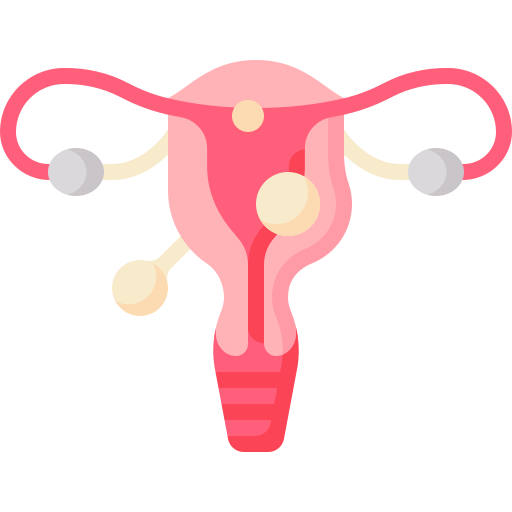
The vulva is the external part of the female genitals, including the labia, clitoris and the vaginal opening. The vagina is the muscular canal that leads to the cervix. Disorders of these areas include infections, inflammation, skin conditions, hormonal changes, cysts, pain syndromes and, less commonly, precancerous or cancerous changes. Symptoms can overlap, so accurate diagnosis matters.

Common Vulvar and Vaginal Conditions

  • Bacterial vaginosis: An imbalance of vaginal bacteria, often causing a thin grey discharge with a fishy odour.
  • Vaginal yeast infection (candidiasis): Causes intense itching, burning and thick, white, curd-like discharge.
  • Trichomoniasis: A sexually transmitted infection causing frothy, yellow-green, foul-smelling discharge.
  • Vaginitis: General inflammation from infection, irritants or allergies.
  • Atrophic vaginitis: Dryness and thinning of vaginal tissue due to low oestrogen, common after menopause.
  • Lichen sclerosus and lichen planus: Chronic skin conditions causing white patches, itching and scarring.
  • Vulvodynia: Long-lasting vulvar pain with no obvious cause.
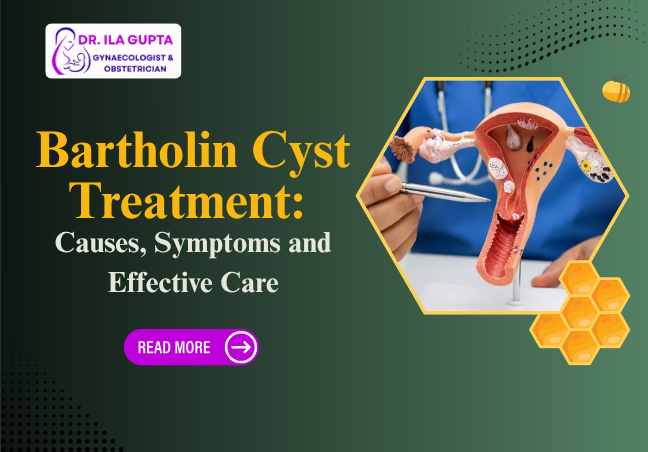
  • Bartholin cysts: Blocked gland swellings near the vaginal opening.
  • Genital warts and herpes: Viral infections needing medical care.
  • Vulvar intraepithelial neoplasia: Precancerous changes that require monitoring or treatment.

Common Causes and Risk Factors

  • Hormonal changes during pregnancy, breastfeeding or menopause
  • Antibiotic or steroid use
  • Diabetes
  • Sexually transmitted infections
  • Harsh soaps, douching, scented products or tight synthetic clothing
  • Allergic reactions to pads, detergents or latex
  • Weak immunity
  • Poor hygiene or excessive washing
  • Stress and chronic illness

Symptoms to Watch For

  • Itching or burning in the vulvar or vaginal area
  • Unusual discharge, colour change or odour
  • Redness, swelling or soreness
  • White, thickened or scarred skin patches
  • Pain during intercourse or while urinating
  • Lumps, sores, blisters or warts
  • Vaginal dryness
  • Bleeding between periods or after intercourse
  • Persistent pelvic discomfort

Do not ignore symptoms that last more than a week or keep returning.

How Are These Disorders Diagnosed?

Your gynaecologist will begin with a detailed history and a gentle pelvic and vulvar examination. Tests may include:

  • Vaginal swabs: To identify bacteria, yeast or other infections
  • pH testing: A quick check of vaginal acidity
  • Pap smear and HPV testing: To screen the cervix
  • Colposcopy: A magnified view of the vulva, vagina and cervix
  • Biopsy: A small tissue sample for suspicious patches or sores
  • Blood tests: For diabetes, hormones or infections
  • Ultrasound: If pelvic causes are suspected

Vulvar & Vaginal Disorders Treatment Options

Treatment depends on the cause, so self-medicating can delay recovery or worsen the problem.


Infections

  • Bacterial vaginosis and trichomoniasis: Antibiotic tablets or gels, with partner treatment for trichomoniasis
  • Yeast infections: Antifungal creams, pessaries or tablets
  • Herpes and warts: Antiviral medicines or procedures to remove warts


Hormonal Causes

For menopausal dryness and thinning, low-dose vaginal oestrogen, moisturisers and lubricants can restore comfort and tissue health.


Skin Conditions

Lichen sclerosus and related disorders are commonly managed with prescription steroid ointments and regular monitoring, as they can be long-term.


Vulvodynia and Pain

Management may include medicines, pelvic floor physiotherapy, nerve-calming treatments and counselling. A combined approach often works best.


Cysts and Growths

Bartholin cysts, polyps or other growths may need drainage or minor surgical removal.


Precancerous Changes

Close surveillance, topical treatment or minor surgery may be advised to prevent progression.

Home Care and Prevention

  • Wash the genital area gently with plain water or a mild, fragrance-free cleanser
  • Avoid douching, scented wipes, perfumed pads and bubble baths
  • Wear breathable cotton underwear and avoid tight clothing
  • Change out of wet clothes or swimwear promptly
  • Wipe from front to back
  • Use condoms to reduce the risk of infections
  • Control blood sugar if you have diabetes
  • Complete the full course of any prescribed medicine
  • Attend regular gynaecological check-ups and Pap smears

When Should You See a Gynaecologist?

Book a consultation if you have persistent itching, unusual discharge, sores, lumps, pain during intercourse, bleeding after menopause or symptoms that return after treatment. Seek care promptly for fever, severe pain or rapidly spreading redness.

Emotional and Relationship Wellbeing

Chronic discomfort can affect intimacy, confidence and mood. It is normal to feel anxious or frustrated. Open conversations with your partner and your doctor, along with counselling when needed, can make recovery smoother.

Choosing the Right Doctor

Privacy, empathy and clinical skill are essential for intimate health concerns. When searching for the best gynaecologist in Ghaziabad, look for a specialist who:

  • Has experience in treating vulvar and vaginal conditions
  • Listens patiently and discusses concerns without judgement
  • Offers accurate testing rather than guesswork
  • Explains the diagnosis and treatment plan in simple language
  • Respects your privacy and comfort
  • Provides dependable follow-up care

Frequently Asked Questions

Is vaginal discharge always abnormal?

No. Some clear or white discharge is normal, but changes in colour, smell or amount deserve evaluation.

Can I treat itching with over-the-counter creams?

It may delay the right diagnosis, since itching has many causes.

Are these conditions contagious?

Some are sexually transmitted, while others, such as bacterial vaginosis and yeast infections, are not strictly so.

Can they come back?

Yes, which is why identifying triggers and completing treatment matter.

Final Thoughts

Vulvar and vaginal disorders are common, treatable and nothing to be ashamed of. Early diagnosis brings faster relief and prevents complications. If you are struggling with persistent discomfort, book a consultation with an experienced gynaecologist and take the first step towards comfort and confidence.

Disclaimer: This article is for general information only and is not a substitute for professional medical advice. Please consult a qualified doctor for guidance specific to your condition.


Subscribe to Our Health Newsletter

Stay informed about women's health tips, pregnancy care, and gynecological updates.