




























For More Inquiry

Being told you may need a hysterectomy can bring relief, worry and a long list of questions. For many women, it ends years of heavy bleeding, pain or health concerns. For others, it raises fears about hormones, intimacy and recovery. The more you understand about hysterectomy surgery, the more confident you can feel about making the right decision with your doctor.
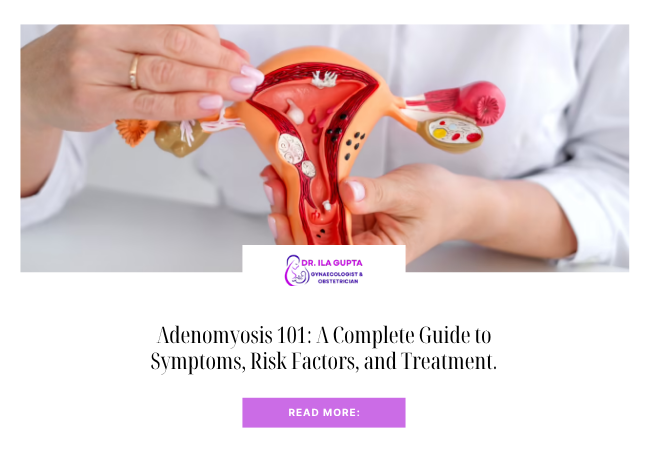
A hysterectomy is a surgical procedure to remove the uterus (womb). Depending on the reason for surgery, the cervix, fallopian tubes and ovaries may also be removed. After the operation, a woman no longer has periods and cannot become pregnant. It is one of the most common gynaecological surgeries worldwide and is usually recommended after other options have been considered, except in conditions such as cancer.
Many conditions can be treated without removing the uterus. Your doctor may discuss:
Ask about every option, including benefits and limitations, before deciding.
Hospital stay is usually one to three days. You may have mild pain, light spotting and tiredness. Pain relief, early walking and breathing exercises aid recovery and reduce the risk of blood clots.
Laparoscopic and vaginal procedures often allow light activity within two to four weeks, while abdominal surgery may need four to six weeks or more.
Contact your doctor if you develop fever, heavy bleeding, severe pain, foul-smelling discharge, wound redness or difficulty passing urine.
Serious complications are uncommon, but risks include bleeding, infection, blood clots, injury to the bladder or bowel, anaesthesia reactions and early menopause if the ovaries are removed. Your surgeon will explain the risks specific to you.
If the ovaries are removed before menopause, symptoms such as hot flushes, night sweats, mood changes and vaginal dryness may begin quickly, and effective treatment is available. Even when the ovaries are kept, some women grieve the loss of fertility. These feelings are valid. Talking with your partner, a counsellor or a support group can help.
Many women find their sexual life improves once pain and bleeding are relieved. Others need time to adjust physically and emotionally. Open communication with your partner and doctor is important.
Experience and trust matter greatly in major surgery. When searching for the best gynaecologist in Ghaziabad, look for a specialist who:
Only if both ovaries are removed. If they are kept, they usually keep working, though menopause may come slightly earlier for some women.
No, because the uterus has been removed.
Yes, but modern techniques have made recovery faster and safer.
Surgery itself does not cause weight gain, but reduced activity or hormonal changes can. A healthy lifestyle helps.
Hysterectomy surgery can be life-changing, relieving pain, bleeding and serious illness for many women. The key is making an informed decision with an experienced, compassionate doctor who explains every option. If you have been advised to consider a hysterectomy, or live with symptoms affecting your quality of life, book a consultation and get the clarity you deserve.
Disclaimer: This article is for general information only and is not a substitute for professional medical advice. Please consult a qualified doctor for guidance specific to your condition.
Stay informed about women's health tips, pregnancy care, and gynecological updates.