





















For More Inquiry
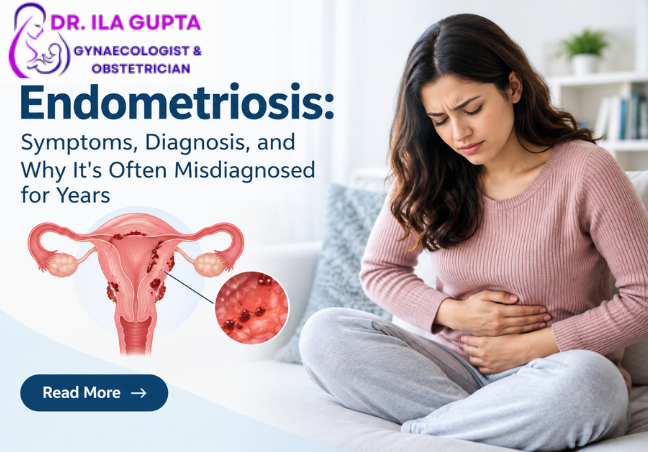
Endometriosis is a common yet frequently misunderstood gynecological condition that can significantly affect a woman’s physical and emotional well-being. It occurs when tissue similar to the lining of the uterus grows outside the uterus, often affecting the ovaries, fallopian tubes, pelvic lining, and surrounding organs. Despite its impact, many women experience symptoms for years before receiving an accurate diagnosis.
Understanding the symptoms, diagnostic process, and reasons behind delayed diagnosis can help women seek timely medical care. Consulting the best Gynecologist in Ghaziabad can be an important step toward identifying the cause of persistent pelvic pain, painful periods, or fertility concerns.
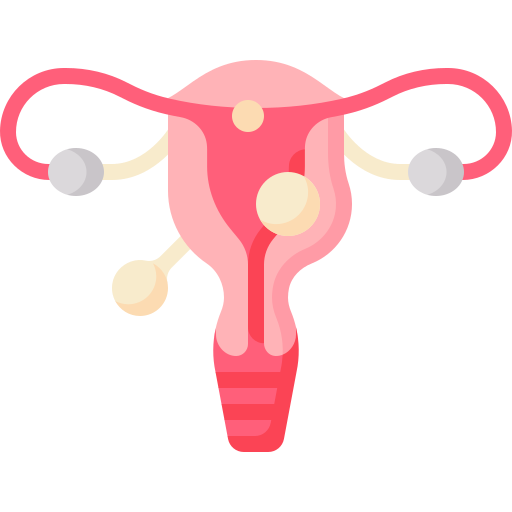
Endometriosis is a chronic condition in which endometrial-like tissue develops outside the uterus. Like the uterine lining, this tissue responds to hormonal changes during the menstrual cycle. However, because it cannot leave the body normally, it can cause inflammation, irritation, scar tissue, and adhesions.
Endometriosis can affect women during their reproductive years and may vary considerably from one person to another. Some women have mild symptoms, while others experience severe pain or fertility difficulties.
The symptoms of endometriosis can differ depending on where the abnormal tissue develops. Common symptoms include:
Menstrual cramps that are unusually severe or interfere with daily activities may be a warning sign. Pain may begin before the period and continue for several days.
Some women experience pelvic or lower abdominal pain even when they are not menstruating. Persistent pelvic discomfort should not automatically be considered normal.
Deep pain during or after sexual intercourse can occur when endometriosis affects tissues around the reproductive organs.
When endometriosis affects areas near the bowel or bladder, some women may experience pain while passing stool or urinating, particularly during menstruation.
Some women experience heavy periods or bleeding between periods. Although these symptoms can have several causes, they may occur alongside endometriosis.
Endometriosis may affect fertility by causing inflammation, adhesions, or changes around the ovaries and fallopian tubes. Some women discover they have endometriosis while undergoing evaluation for infertility.
Bloating, constipation, diarrhea, nausea, and significant fatigue may accompany endometriosis in some women, making the condition harder to identify.
Best Gynecologist in Ghaziabad
One of the biggest challenges with endometriosis is that its symptoms can resemble several other conditions. Period pain may be attributed to normal menstrual cramps, while digestive symptoms may be mistaken for gastrointestinal problems.
Conditions such as irritable bowel syndrome, pelvic inflammatory disease, ovarian cysts, urinary disorders, and fibroids can sometimes produce similar symptoms.
Another reason for delayed diagnosis is that the severity of pain does not always correspond to the extent of endometriosis. A woman with relatively extensive disease may have limited symptoms, while another with less extensive disease may experience significant pain.
Social and cultural attitudes toward menstrual pain can also contribute to delays. Women may be told that severe period pain is simply something they need to tolerate. However, severe or persistent menstrual pain that affects work, education, relationships, sleep, or everyday activities deserves medical evaluation.
Diagnosis usually begins with a detailed medical history and pelvic examination. A gynecologist may ask about menstrual patterns, pain, bowel or bladder symptoms, previous treatments, and fertility concerns.
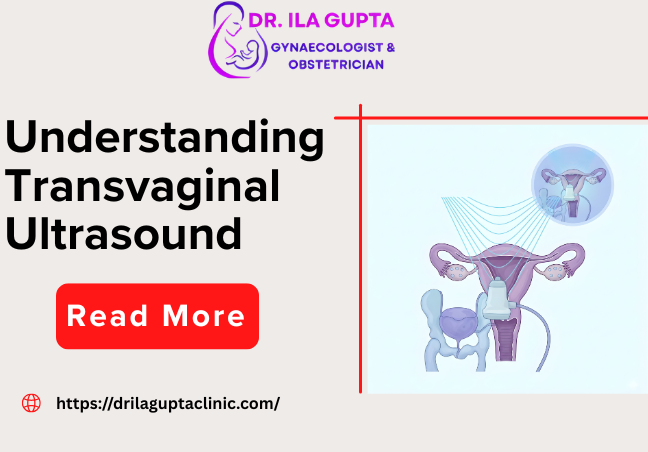
Pelvic ultrasound can help identify ovarian endometriomas and other pelvic abnormalities. However, a normal ultrasound does not necessarily rule out endometriosis.
In selected cases, magnetic resonance imaging (MRI) may provide more detailed information about deep endometriosis and its location.
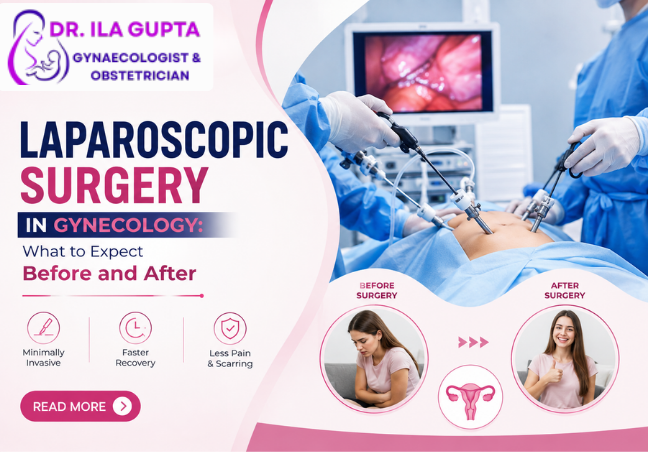
Laparoscopy is a minimally invasive surgical procedure that may be used when clinically appropriate to evaluate and treat suspected endometriosis. The decision depends on symptoms, examination findings, imaging, treatment response, fertility goals, and individual circumstances.
If you are experiencing unexplained pelvic pain or recurrent painful periods, discussing your symptoms with the best Gynecologist in Ghaziabad can help determine whether further evaluation is appropriate.
Endometriosis is a long-term condition, but appropriate management can help many women control symptoms and improve their quality of life. Early evaluation may also help address fertility concerns and prevent years of unnecessary suffering.
Treatment is individualized and may include pain management, hormonal therapies, or surgery in selected cases. The appropriate approach depends on factors such as age, symptom severity, disease location, previous treatments, and whether pregnancy is desired.
It is important to remember that there is no single treatment plan suitable for every woman. A qualified gynecologist can assess the symptoms and recommend an appropriate diagnostic and management strategy.
Consider seeking medical advice if you experience:
Keeping a record of your menstrual cycle and symptoms can also help your doctor understand patterns and make the evaluation more effective.
Endometriosis can take years to identify because its symptoms overlap with several other conditions and because severe menstrual pain is sometimes normalized. Recognizing the warning signs and seeking professional evaluation can make an important difference.
If you are dealing with recurring pelvic pain, painful periods, or fertility concerns, consult the best Gynecologist in Ghaziabad for a personalized assessment. Getting the right diagnosis is the first step toward understanding your symptoms and choosing an appropriate treatment approach.
1. What is the main symptom of endometriosis?
Severe menstrual or pelvic pain is one of the most common symptoms, although symptoms vary.
2. Can endometriosis cause infertility?
Yes, endometriosis can affect fertility in some women.
3. Can an ultrasound detect endometriosis?
Ultrasound can detect certain findings, but a normal scan does not always rule out endometriosis.
4. Is severe period pain normal?
Mild cramps can be common, but severe or disabling pain should be medically evaluated.
5. Can endometriosis be treated?
Yes. Treatment can help manage symptoms and may include medicines, hormonal treatment, or surgery depending on individual needs.
Stay informed about women's health tips, pregnancy care, and gynecological updates.