



































For More Inquiry
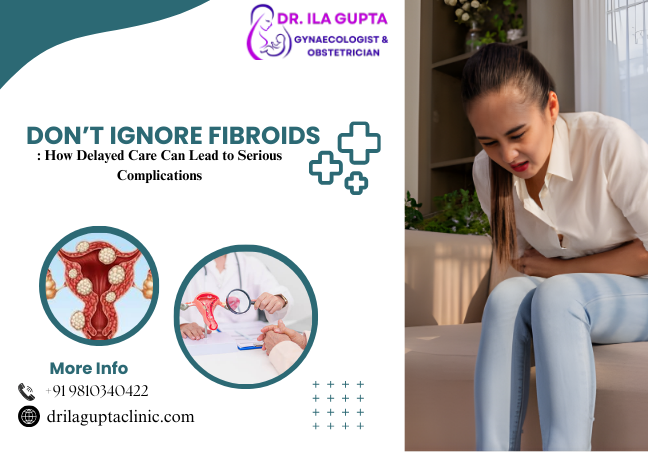
Uterine fibroids are one of the most common non-cancerous growths affecting women during their reproductive years. While many women assume fibroids are harmless, ignoring symptoms or delaying treatment can lead to serious health complications. Early diagnosis and timely medical intervention can prevent unnecessary suffering and protect your long-term reproductive health.
If you are experiencing persistent symptoms, consulting the best gynecologist in Ghaziabad can help you understand your condition and explore the most effective treatment options before complications arise.
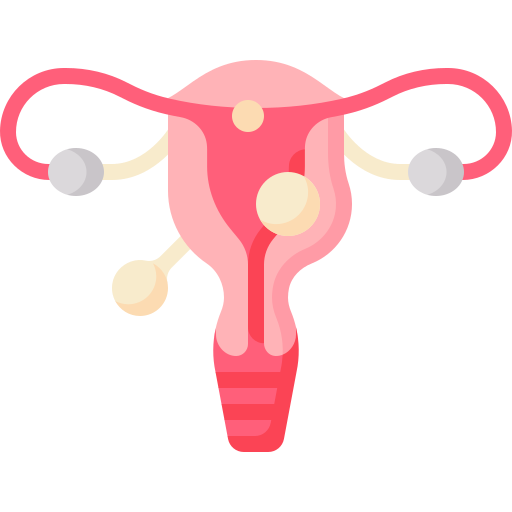
Uterine fibroids are benign (non-cancerous) tumors that develop in or around the uterus. They vary in size, from small, seed-like growths to large masses that can distort the uterus. Some women may have a single fibroid, while others may develop multiple growths.
Fibroids are influenced by hormonal factors, especially estrogen and progesterone. Although they are not life-threatening in most cases, their impact on a woman’s quality of life can be significant if left untreated.
Many women ignore early warning signs, mistaking them for normal menstrual discomfort. However, the symptoms can gradually worsen. Common signs include:
If you notice these symptoms persisting, seeking advice from the best gynecologist in Ghaziabad ensures a timely diagnosis and personalized treatment planning.
Delaying treatment for fibroids can result in several complications that may affect your overall health and fertility.
Heavy menstrual bleeding caused by fibroids can lead to iron-deficiency anemia. Over time, this may cause fatigue, weakness, dizziness, and shortness of breath. In severe cases, blood transfusions may be required.
As fibroids grow larger, they exert pressure on surrounding organs, leading to persistent pelvic discomfort. Chronic pain can interfere with daily activities and significantly reduce quality of life.
Certain types of fibroids can block fallopian tubes or interfere with implantation, making conception difficult. Women planning pregnancy should not delay consultation with the best gynecologist in Ghaziabad to assess the impact of fibroids on fertility.
Untreated fibroids during pregnancy may increase the risk of miscarriage, premature delivery, placental problems, or cesarean section.
Large fibroids can press against the bladder, causing frequent urination or difficulty emptying the bladder. They may also compress the rectum, leading to constipation.
In some cases, fibroids can grow rapidly, increasing the likelihood of requiring major surgical procedures such as myomectomy or hysterectomy. Early treatment can often prevent invasive interventions.
You should seek medical attention if you experience:
Consulting the best gynecologist in Ghaziabad ensures proper evaluation through pelvic examination, ultrasound, or other diagnostic tests to determine the size, number, and location of fibroids.
Treatment depends on various factors, including age, symptoms, size of fibroids, and pregnancy plans.
Hormonal treatments can help regulate menstrual cycles and reduce bleeding, though they may not eliminate fibroids completely.
Procedures like uterine artery embolization (UAE) or laparoscopic myomectomy can effectively shrink or remove fibroids with quicker recovery times.
For severe cases, surgical options like myomectomy (removal of fibroids) or hysterectomy (removal of the uterus) may be recommended.
Early consultation with the best gynecologist in Ghaziabad allows you to explore less invasive treatment options before the condition worsens.
Timely diagnosis and management offer several benefits:
Women often delay medical care due to fear or lack of awareness. However, fibroids rarely disappear on their own. Taking proactive steps and consulting the best gynecologist in Ghaziabad can make a significant difference in outcomes.
While fibroids cannot always be prevented, certain lifestyle habits may help manage symptoms:
Routine visits to the best gynecologist in Ghaziabad help detect any abnormalities early and ensure appropriate monitoring.
Ignoring fibroids may seem harmless at first, especially if symptoms are mild. However, delaying treatment can lead to serious complications such as severe anemia, chronic pain, fertility problems, and pregnancy risks. Early diagnosis provides access to a wider range of treatment options and better health outcomes.
If you are experiencing symptoms or have been diagnosed with fibroids, do not postpone medical consultation. Seeking timely care from the best gynecologist in Ghaziabad ensures expert guidance, accurate diagnosis, and a personalized treatment plan tailored to your needs. Your reproductive health deserves immediate attention — don’t let delay put it at risk.
No, uterine fibroids are non-cancerous growths. However, they can cause serious health issues if left untreated.
Small fibroids may shrink after menopause, but most fibroids do not disappear on their own and require monitoring or treatment.
Yes, depending on their size and location, fibroids can interfere with conception or pregnancy. Early consultation with the best gynecologist in Ghaziabad is recommended.
No, many fibroids can be managed with medication or minimally invasive procedures if detected early.
If you experience heavy bleeding, severe pain, or difficulty conceiving, consult the best gynecologist in Ghaziabad for evaluation and treatment options.
Stay informed about women's health tips, pregnancy care, and gynecological updates.