









For More Inquiry
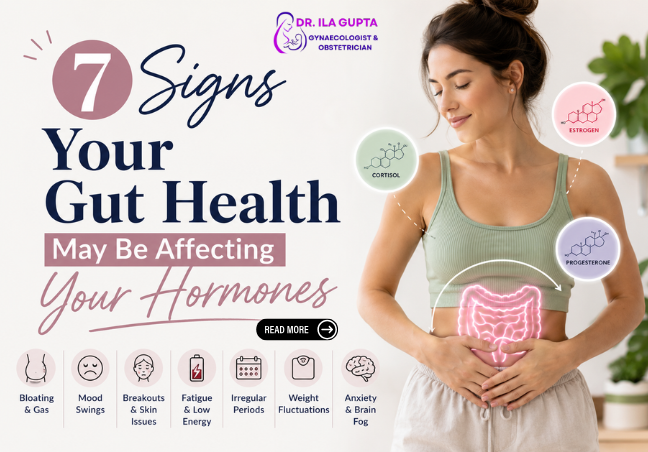
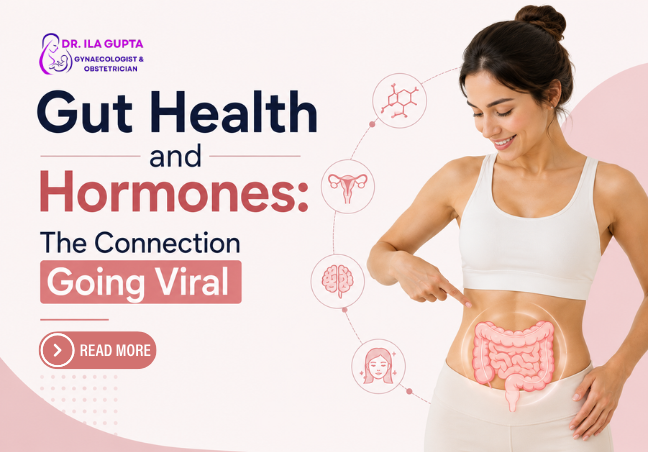
Most people associate the gut only with digestion. However, the digestive system also communicates with the immune, nervous, and endocrine systems. The microorganisms living inside the digestive tract—collectively known as the gut microbiome—participate in several processes related to metabolism, inflammation, and hormone activity.
An imbalance in gut microorganisms does not automatically mean that a woman has a hormonal disorder. However, digestive problems and hormonal symptoms may sometimes occur together. Recognising these signs can help women seek appropriate medical evaluation instead of relying on unverified detox plans or supplements.
The gut microbiome contains bacteria and other microorganisms that help break down food, produce certain nutrients, and interact with the immune system. Gut microorganisms and their by-products can also communicate with endocrine cells involved in appetite, blood sugar control, and metabolism.
Some intestinal bacteria are involved in processing estrogen. This collection of bacteria and their genes is sometimes referred to as the estrobolome. Changes in the gut microbiome may therefore affect how estrogen is metabolised and recirculated in the body.
The relationship works in both directions. Hormonal changes during menstruation, pregnancy and menopause may also influence digestion, bowel movements and the composition of the gut microbiome.
Occasional bloating after a heavy meal is common. However, frequent bloating, excessive gas, constipation, diarrhoea or abdominal discomfort should not be repeatedly ignored.
Digestive symptoms can result from several conditions, including food intolerances, irritable bowel syndrome, infections and dietary habits. Hormonal changes may also affect intestinal movement and fluid retention, which is why some women experience increased bloating or constipation before their periods.
Persistent symptoms require proper assessment rather than assuming that they are caused only by hormones.
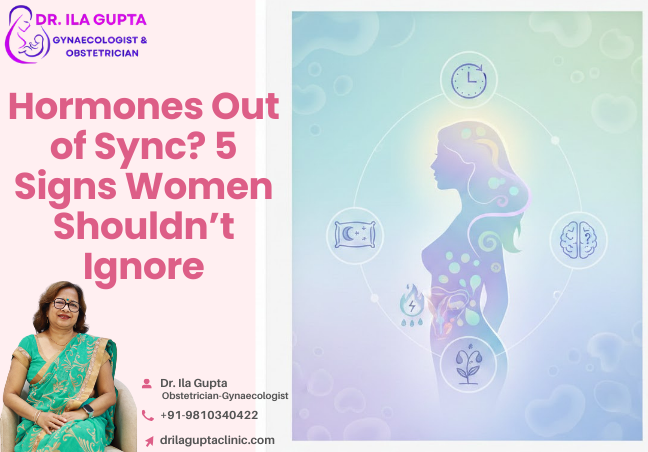
A menstrual cycle may occasionally change because of stress, travel, illness, or alterations in body weight. Repeatedly irregular periods, missed periods, or unusually frequent bleeding may indicate an underlying hormonal issue.
Conditions such as PCOS, thyroid disorders, elevated prolactin levels, and perimenopause can affect menstrual regularity. Gut health may influence metabolic and inflammatory pathways associated with some hormonal conditions, but it should not be considered the sole cause.
A gynecological evaluation can help determine whether blood tests, an ultrasound or other investigations are needed.
The gut and brain communicate through pathways often described as the gut–brain axis. Gut microorganisms can influence immune signalling and produce compounds that interact with the nervous system.
Hormonal fluctuations may also contribute to irritability, anxiety, low mood or emotional sensitivity, particularly before menstruation, after childbirth or during perimenopause.
Persistent mood symptoms should never be dismissed as “just hormones.” Mental health conditions, nutritional deficiencies, thyroid disorders, sleep problems and chronic stress may produce similar symptoms and should be evaluated appropriately.
Feeling tired occasionally is normal, especially after insufficient sleep or a demanding schedule. Constant fatigue, however, may indicate an underlying concern.
Possible causes include:
Because fatigue is a non-specific symptom, self-diagnosing a “gut imbalance” may delay appropriate treatment. A healthcare professional can recommend investigations based on the complete pattern of symptoms.
Gut microorganisms interact with processes involved in hunger, fullness, glucose regulation and energy metabolism. However, body weight is influenced by many factors, including diet, activity levels, sleep, stress, medications, genetics and hormonal conditions.
Unexpected weight gain, difficulty losing weight or strong cravings may sometimes be associated with insulin resistance, PCOS or thyroid dysfunction. These symptoms become more significant when they occur alongside irregular periods, acne, excess facial hair or darkening of the skin around the neck.
Instead of following restrictive diets, women experiencing these changes should obtain personalised medical and nutritional advice.
Hormonal acne commonly appears around the chin, jawline and lower face. It may become more noticeable before menstruation or in women with conditions such as PCOS.
The gut, immune system and skin can influence one another through inflammatory pathways, but acne cannot be diagnosed solely as a sign of poor gut health. Skincare products, stress, medications, diet and genetic factors may also contribute.
Sudden or severe acne accompanied by menstrual irregularity, excess facial hair or scalp hair thinning may warrant a hormonal assessment.
Some women experience bloating, breast tenderness, food cravings, fatigue, constipation or mood changes before their periods. These symptoms are often related to normal fluctuations in estrogen and progesterone.
Digestive discomfort may become more noticeable during this phase because reproductive hormones can influence bowel movement and sensitivity. However, severe symptoms that interfere with work, relationships, or daily activities should not be considered normal.
Significant emotional symptoms may require assessment for premenstrual dysphoric disorder, while severe pelvic pain or bowel symptoms around menstruation may indicate conditions such as endometriosis.
There is no single food, probiotic or detox product that can instantly “balance” hormones. Sustainable daily habits are usually more helpful.
Include vegetables, fruits, beans, lentils, oats and whole grains. Dietary fibre supports regular bowel movements and provides nourishment for beneficial gut microorganisms.
Increase fibre gradually, especially when you are not accustomed to eating it, as a sudden increase may temporarily cause bloating.
Curd, yoghurt and other properly prepared fermented foods may support dietary variety. However, they may not suit every person, particularly those with lactose intolerance or certain digestive conditions.
Regular physical activity supports metabolic health, bowel regularity, stress management and healthy weight maintenance. Choose an activity that can be followed consistently.
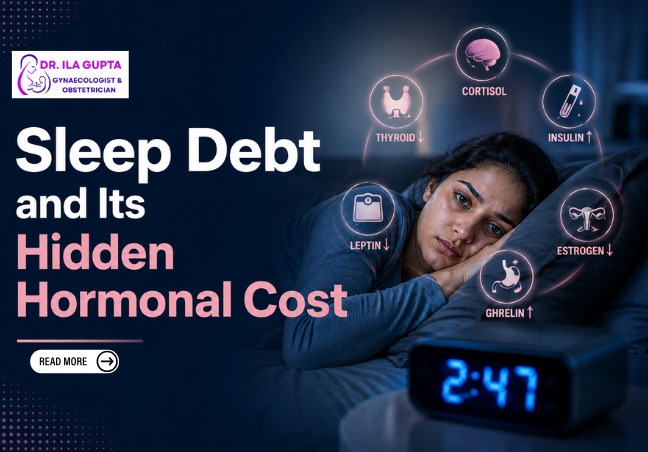
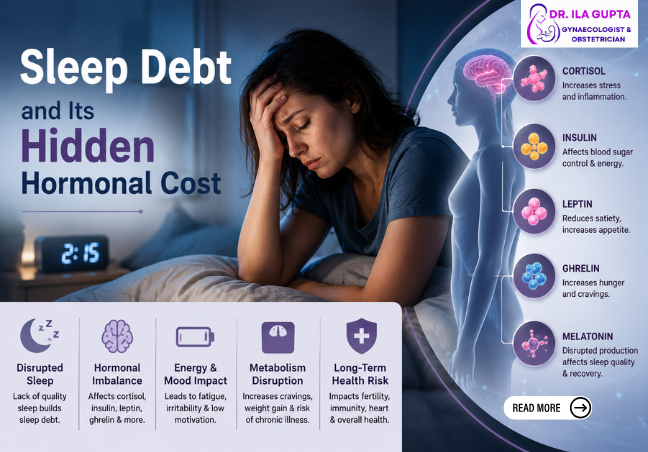
Inadequate sleep can affect appetite, stress hormones, insulin sensitivity and mood. Aim for a regular sleep and wake schedule whenever possible.
Antibiotics are essential when prescribed for bacterial infections, but unnecessary or repeated use may disturb gut microorganisms. Take antibiotics only under medical guidance and complete them as advised.
Different probiotic strains have different effects, and a supplement that helps one condition may not help another. Probiotics should not replace investigations or prescribed treatment for hormonal or digestive disorders.
Schedule a consultation when you experience:
Frequently irregular or missed periods
Very heavy or prolonged menstrual bleeding
Persistent pelvic pain
Sudden weight or skin changes
Difficulty conceiving
Signs of PCOS or thyroid dysfunction
Severe premenstrual symptoms
Digestive symptoms repeatedly worsening around menstruation.
Fatigue that does not improve with adequate rest
Seek urgent medical attention for severe abdominal pain, fainting, blood in the stool, persistent vomiting, black stools,s or very heavy vaginal bleeding.
Gut health is an important part of overall wellness, but it is only one piece of the hormonal health puzzle. Persistent bloating, irregular periods, fatigue, acne, or mood changes can have multiple possible causes.
Rather than depending on online detoxes or self-prescribed supplements, seek a comprehensive evaluation. Identifying the actual cause makes it possible to create a safe and personalised treatment plan.
For expert evaluation of menstrual irregularities, hormonal concerns, PCOS, fertility problems, and other women’s health conditions, consult Dr. Ila Gupta, Gynecologist in Ghaziabad.
This article is intended for general awareness and does not replace personalised medical diagnosis or treatment.
Stay informed about women's health tips, pregnancy care, and gynecological updates.