













































For More Inquiry
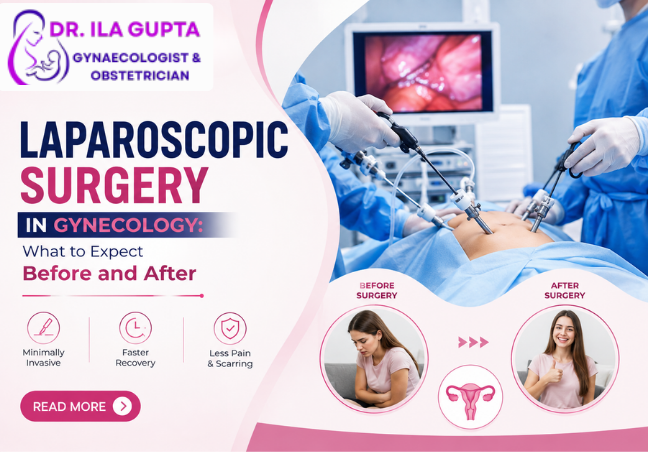
Laparoscopic surgery has transformed the treatment of many gynecological conditions by allowing surgeons to diagnose and treat problems through small abdominal incisions rather than a large surgical cut. Also known as minimally invasive or keyhole surgery, laparoscopy may be used for conditions such as ovarian cysts, endometriosis, fibroids, ectopic pregnancy, and certain hysterectomies.
For women who have been advised to undergo surgery, knowing what happens before, during, and after the procedure can reduce uncertainty and make preparation easier. A consultation with the best Gynecologist in Ghaziabad can help determine whether laparoscopic surgery is appropriate based on the diagnosis, overall health, previous surgeries, and individual treatment goals.
Laparoscopic surgery involves inserting a thin instrument called a laparoscope through a small incision, usually near the belly button. The laparoscope contains a camera that allows the surgeon to see the pelvic and abdominal organs on a monitor. Additional small incisions may be made so specialized surgical instruments can be inserted.
During the procedure, the abdomen is generally inflated with gas to create more space and improve visibility of the reproductive organs. Depending on the condition, laparoscopy may be performed for diagnosis, treatment, or both.
Gynecologists may recommend laparoscopic surgery for several conditions, including:
The suitability of laparoscopy depends on the patient's condition and the complexity of the surgery. In some circumstances, open surgery may still be the safer or more appropriate option.
One of the major advantages of laparoscopy is that it uses smaller incisions compared with traditional open abdominal surgery.
According to the American College of Obstetricians and Gynecologists (ACOG), laparoscopic surgery generally involves less postoperative pain, faster recovery, smaller scars, shorter hospital stays, and a lower risk of infection compared with open surgery.
However, every surgery carries potential risks, and these should be discussed with your gynecologist beforehand.
Before surgery, your gynecologist will discuss why the procedure is recommended, what it involves, possible alternatives, expected benefits, and potential complications.
You should tell your doctor about:
When consulting the best Gynecologist in Ghaziabad, ask questions about the expected recovery period, hospital stay, activity restrictions, and when you may return to work.
Depending on the procedure and your health, your doctor may recommend blood tests and other investigations before surgery. Additional testing may be required based on age, medical history, or existing health conditions.
These evaluations help the surgical and anesthesia teams plan the procedure safely.
Some medicines or supplements may need to be adjusted before surgery. Never stop prescribed medication independently. Follow the instructions given by your surgeon or anesthesiologist.
Provide your medical team with a complete list of everything you take regularly.
Patients are usually given specific instructions about eating and drinking before receiving anesthesia. Follow the hospital's instructions carefully, as they may vary depending on your procedure and scheduled surgery time.
Many laparoscopic procedures allow patients to return home the same day, although more complex operations may require an overnight hospital stay. ACOG advises that patients undergoing outpatient surgery should arrange for someone to drive them home.
It is also helpful to arrange support at home, particularly during the first few days.
Gynecological laparoscopy is usually performed under general anesthesia, meaning you will be asleep during the procedure.
Once anesthesia takes effect, the surgeon makes a small incision and inserts the laparoscope. Gas is introduced into the abdomen to improve visualization. Additional instruments may be inserted through other small incisions when treatment is required.
The surgeon then performs the planned procedure, which could include removing an ovarian cyst, treating endometriosis, removing fibroids, addressing adhesions, or performing another gynecological operation.
After completing the procedure, the instruments and most of the gas are removed, and the incisions are closed.
After surgery, you will be moved to a recovery area where medical staff will monitor you while the anesthesia wears off.
It is common to experience:
Shoulder discomfort can occur because a small amount of the gas used during laparoscopy may remain temporarily inside the abdomen. It generally resolves on its own.
Many patients can return home the same day or the following day, depending on the procedure and their recovery.
Recovery varies considerably depending on whether the procedure was diagnostic or involved major surgery.
Feeling tired during the first few days is common. Give your body enough time to recover and follow the activity recommendations provided by your surgeon.
Gentle movement is generally encouraged after surgery. ACOG notes that patients may be encouraged to get out of bed and walk relatively soon after an operation as part of recovery.
Avoid strenuous exercise and heavy lifting until your doctor confirms that these activities are safe.
Follow your surgeon's instructions for keeping the surgical wounds clean and dry. Watch for unusual redness, swelling, discharge, or increasing tenderness.
Take prescribed pain medicines or other medications exactly as directed. Do not add medications or supplements without checking whether they are appropriate during recovery.
Recovery time depends heavily on the type of surgery. A minor diagnostic procedure can have a much shorter recovery than a laparoscopic hysterectomy or other complex operation. NHS guidance notes that complete recovery following surgical laparoscopy can sometimes take several weeks.
Your surgeon should provide individualized advice regarding driving, work, exercise, lifting, and sexual activity.
Although most patients recover without serious problems, complications are possible.
Contact your healthcare provider promptly if you develop:
ACOG identifies these as symptoms requiring prompt contact with an obstetrician-gynecologist after laparoscopy.
Rare complications of laparoscopy can include bleeding, infection, hernia at an incision site, internal bleeding, or injury to nearby organs or blood vessels.
Before going home, make sure you understand your discharge instructions. Ask when you should return for follow-up and when you can resume activities such as driving, working, exercising, lifting weights, and having sexual intercourse.
Keep follow-up appointments even if you are feeling well. Your gynecologist can assess wound healing, review surgical findings, discuss pathology results if tissue was removed, and advise you about the next stage of treatment.
Women considering surgery should discuss their individual risks, benefits, and alternatives with the best Gynecologist in Ghaziabad rather than assuming that laparoscopic surgery is appropriate for every gynecological condition.
The main difference is the size of the abdominal incisions. Open surgery generally requires a larger incision, while laparoscopy uses several small cuts.
Because it is minimally invasive, laparoscopy can offer faster recovery and less postoperative pain for appropriately selected patients. However, surgeons occasionally need to convert a laparoscopic operation to open surgery if unexpected findings or complications occur during the procedure.
Laparoscopic surgery is an important minimally invasive option for diagnosing and treating many gynecological conditions. Smaller incisions, reduced postoperative discomfort, and generally faster recovery are among its major advantages over traditional open surgery.
Successful treatment, however, begins with proper diagnosis and careful surgical planning. If you have persistent pelvic pain, fibroids, ovarian cysts, endometriosis, or another condition for which surgery has been suggested, consulting the best Gynecologist in Ghaziabad can help you understand whether laparoscopy is appropriate and what you should expect throughout treatment and recovery.
The surgery is performed under anesthesia. Some abdominal soreness, bloating, or shoulder discomfort may occur afterward.
The duration depends on the procedure and complexity of the condition being treated.
Many patients can, although more complex procedures may require an overnight or longer hospital stay.
It depends on the procedure and your recovery. Your surgeon will provide personalized guidance.
Yes, but the incisions are generally small, so scarring is typically less extensive than with open abdominal surgery.
Stay informed about women's health tips, pregnancy care, and gynecological updates.