



























For More Inquiry
Sexual health is an important part of a woman’s overall physical and emotional well-being, yet it remains one of the least openly discussed areas of women’s healthcare. Concerns such as low sexual desire, vaginal dryness, painful intercourse, difficulty with arousal, and problems reaching orgasm are often ignored because of embarrassment, social stigma, or the belief that they are simply a normal part of ageing or married life.
In reality, sexual health concerns are common and may have physical, hormonal, emotional, medication-related, or relationship-related causes. ACOG notes that around 4 in 10 women experience problems with sex at some point in their lives. When symptoms are persistent or distressing, consulting the best Gynecologist in Ghaziabad can help identify possible causes and guide appropriate treatment.
Sexual health involves much more than sexual activity. It includes physical comfort, sexual desire, arousal, intimacy, emotional well-being, satisfaction, reproductive health, and the ability to have safe and respectful relationships.
Sexual response is complex and can be influenced by physical health, hormones, emotional well-being, life experiences, lifestyle, beliefs, and relationships.
There is also no single definition of what a “normal” level of sexual desire should be. Sexual interest naturally varies among individuals and can change throughout different stages of life.
Many women hesitate to discuss intimate concerns even with healthcare professionals. Cultural expectations, embarrassment, lack of awareness, fear of judgment, and misconceptions about sexual health can all contribute to silence.
Some women assume that pain during intercourse must simply be tolerated, while others may believe that reduced desire after childbirth or menopause cannot be addressed.
Breaking this taboo begins with recognizing that sexual health concerns are legitimate healthcare issues. Asking a gynecologist about pain, dryness, low libido, or other intimate symptoms should be no different from discussing menstrual problems or pelvic pain.
Low libido or reduced sexual desire is one of the most commonly discussed sexual concerns in women. However, desire naturally fluctuates throughout life, and a temporary decrease does not necessarily indicate a disorder.
Pregnancy, childbirth, breastfeeding, menopause, fatigue, stress, relationship difficulties, certain illnesses, and medications can affect sexual desire.
Medical attention may be helpful when a persistent change in sexual desire causes personal distress or negatively affects quality of life.
Pain during intercourse, medically known as dyspareunia, should not simply be ignored when it is persistent or recurrent.
Pain may be felt around the vaginal opening or deeper in the pelvis. Possible causes include:
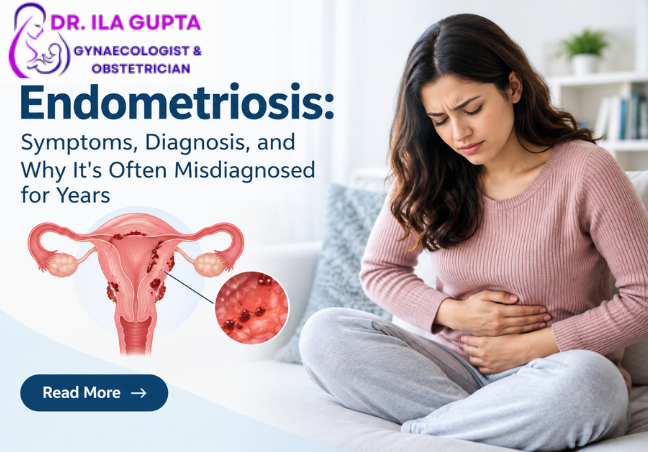
ACOG reports that pain during intercourse is common and may sometimes indicate an underlying gynecological problem such as endometriosis or ovarian cysts.
Women experiencing repeated pain during sexual activity should consider discussing the symptoms with the best Gynecologist in Ghaziabad rather than repeatedly self-treating without knowing the underlying cause.
Vaginal dryness can cause irritation, burning, discomfort, and painful intercourse. Although commonly associated with menopause, it can occur at other stages of life as well.
Hormonal changes during pregnancy, breastfeeding, perimenopause, and menopause may affect vaginal tissues and lubrication. Lower estrogen levels after menopause can contribute to thinning and reduced elasticity of vaginal tissues, which can make intercourse uncomfortable.
Depending on the cause, management may include lubricants, vaginal moisturizers, treatment of an underlying condition, or certain prescription therapies recommended by a healthcare professional.
Some women may have sexual desire but experience difficulty becoming physically or emotionally aroused. Others may experience mental arousal without the expected physical response.
Problems with arousal can sometimes occur alongside vaginal dryness, stress, relationship difficulties, hormonal changes, chronic medical conditions, or medication side effects.
A proper evaluation can help determine whether physical, psychological, hormonal, or relationship factors are contributing.
Difficulty reaching orgasm may occur occasionally or persistently. There is considerable natural variation between women, and occasional difficulty does not necessarily indicate a medical disorder.
Persistent problems may be influenced by:
ACOG categorizes orgasm difficulties as one of the major groups of female sexual health problems.
Hormones can have a significant influence on sexual function.
Hormonal changes during pregnancy and after childbirth can affect desire and vaginal lubrication. Breastfeeding, fatigue, sleep deprivation, physical recovery after delivery, and the demands of caring for a newborn may also influence intimacy.
Women should give themselves time to recover and discuss persistent pain or other concerns with their healthcare provider.
During menopause, estrogen levels decrease. These hormonal changes can contribute to vaginal dryness, reduced elasticity, discomfort during intercourse, and changes in sexual desire.
These symptoms do not necessarily have to be accepted without treatment. Several management options may be available depending on the woman's health and symptoms.
Yes. Certain medications can influence sexual desire, arousal, lubrication, or orgasm.
ACOG notes that some mental health medicines, heart medications, hormone medications, and other drugs can contribute to sexual problems.
Women who notice sexual health changes after starting a medication should speak with their doctor. Prescription medicines should not be stopped or altered without professional guidance.
Sexual health is closely connected to emotional well-being. Stress, anxiety, depression, poor body image, relationship conflict, previous negative experiences, and lack of emotional connection can affect sexual function.
This does not mean that sexual health concerns are “just psychological.” Physical and emotional factors often overlap.
Depending on the situation, treatment may involve medical care, counselling, pelvic floor therapy, lifestyle modifications, or a combination of approaches.
Consider consulting a gynecologist when you experience:
A consultation with the best Gynecologist in Ghaziabad provides an opportunity to discuss these symptoms confidentially and determine whether an underlying gynecological or hormonal problem may be involved.
Many women avoid seeking help because they are unsure what will happen during the appointment.
A gynecologist may ask about your symptoms, menstrual history, medications, pregnancies, previous surgeries, medical conditions, and sexual history. Depending on your symptoms, a physical or pelvic examination may also be recommended.
Additional tests may be suggested if an infection, hormonal issue, or gynecological condition is suspected.
The purpose is not to judge sexual behaviour but to understand the symptoms and identify possible causes.
There is no single treatment for female sexual health problems because different women experience them for different reasons.
Management may involve treating vaginal infections or underlying gynecological conditions, addressing vaginal dryness, reviewing medications, managing menopausal symptoms, pelvic floor therapy, counselling, or improving communication between partners.
This is why self-diagnosis may not always be helpful. A treatment that works for vaginal dryness caused by hormonal changes, for example, may not address pain caused by endometriosis or a pelvic floor disorder.
Women should feel comfortable seeking medical care for concerns affecting intimacy and sexual well-being. Sexual health problems are common, and many have identifiable causes and management options.
Healthcare conversations also need to become more open, respectful, and confidential so women feel comfortable discussing symptoms without embarrassment.
If persistent sexual health concerns are affecting comfort, confidence, intimacy, or quality of life, speaking with the best Gynecologist in Ghaziabad can be an important first step toward understanding the cause and exploring suitable treatment options.
Sexual health is an essential part of women’s overall well-being. Problems such as low desire, painful intercourse, vaginal dryness, difficulty with arousal, and orgasm concerns should not automatically be dismissed as embarrassing or unavoidable.
Hormonal changes, medical conditions, medications, emotional health, and relationship factors can all influence sexual function. Recognizing these concerns as genuine healthcare issues helps reduce stigma and encourages women to seek appropriate professional support.
Open conversations, accurate information, and timely medical care can help women better understand their bodies and make informed decisions about their sexual and reproductive health.
Yes. Sexual desire naturally varies and may be affected by hormones, stress, health conditions, medications, and relationships.
Occasional discomfort can occur, but persistent or recurrent pain should be medically evaluated.
Yes. Hormonal changes can contribute to vaginal dryness, discomfort, and changes in sexual desire.
Yes. Certain medications can affect libido, arousal, and orgasm.
Many can be managed effectively once the underlying physical, hormonal, emotional, or relationship-related cause is identified.
Stay informed about women's health tips, pregnancy care, and gynecological updates.