

















For More Inquiry
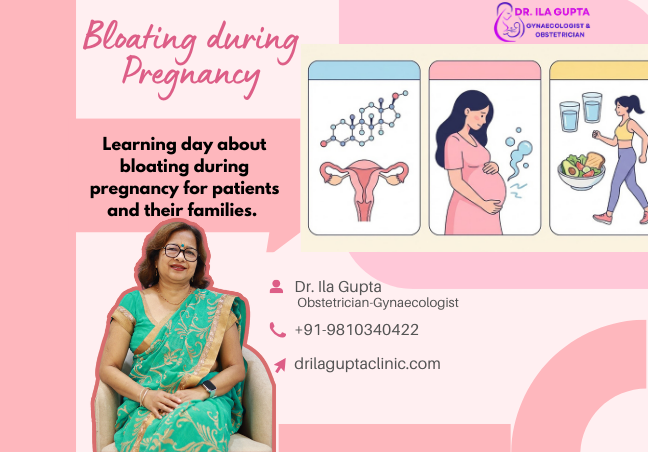
By Dr. Ila Gupta, Obstetrician & Gynecologist
Pregnancy is a beautiful journey, but it often comes with symptoms that can feel uncomfortable or confusing—one of the most common being bloating. Many expecting mothers describe it as heaviness, tightness, or a swollen feeling in the abdomen. Bloating can occur even during the early weeks of pregnancy and may continue throughout all three trimesters.
At her clinic in Ghaziabad, Dr. Ila Gupta helps mothers understand these normal physiological changes and provides safe, effective guidance for relief. This blog explains what causes bloating during pregnancy, why it happens, and when to seek medical support. If you are looking for the boldBest Gynecologist in Ghaziabadbold, understanding these issues with the right specialist can make your journey much more comfortable.
Pregnancy triggers a surge in progesterone, a hormone essential for maintaining a healthy pregnancy. However, progesterone also relaxes smooth muscles—including those in the digestive system.
This relaxation slows down digestion, giving food more time to ferment in the intestines. As a result:
This is why many women experience bloating as one of the first signs of pregnancy. Consulting the boldBest Gynecologist in Ghaziabadbold can help you understand how hormones affect your body during each trimester.
As the baby grows, the uterus expands and begins to push against digestive organs such as the stomach and intestines. This pressure:
This commonly intensifies bloating in the second and third trimesters. If the bloating becomes severe or painful, the boldBest Gynecologist in Ghaziabadbold can evaluate whether there are additional digestive concerns, such as acidity or constipation.
Iron supplements—routinely prescribed during pregnancy—can sometimes cause:
This does not mean you should stop taking them. Instead, a qualified gynecologist such as the boldBest Gynecologist in Ghaziabadbold can adjust the dosage or recommend a gentler formulation to protect your health and your baby’s development.
Many pregnant women reduce physical activity due to tiredness, nausea, or medical advice. However, low activity levels slow digestion and worsen bloating.
Gentle exercises like:
can improve metabolism and help ease the bloated sensation. Always take guidance from the boldBest Gynecologist in Ghaziabadbold before starting any new routine.
Pregnant women may become more sensitive to certain foods. Items that commonly cause gas include:
Dr Ila Gupta advises patients to consume smaller, more frequent meals and avoid foods that trigger discomfort. Balanced nutrition is essential, and monitoring your diet with the support of the boldBest Gynecologist in Ghaziabadbold ensures both maternal and fetal health.
Slower digestion + iron supplements + pressure from the uterus all contribute to pregnancy constipation, which directly increases bloating.
Drinking enough water, including fiber-rich foods, and staying active can significantly reduce constipation and improve digestion.
While bloating is normal, certain symptoms require medical attention, including:
In such cases, visiting a specialist like Dr. Ila Gupta can ensure there are no underlying concerns such as infections, bowel obstruction, or pregnancy complications.
Here are doctor-approved tips:
Pregnant women should always consult their gynecologist before making major dietary or lifestyle changes.
Bloating during pregnancy is common, natural, and usually harmless. It occurs due to hormonal changes, physical pressure from the growing uterus, digestion slow-down, and dietary factors. However, if bloating becomes unusually severe, persistent, or painful, it should be evaluated to rule out complications.
Dr Ila Gupta provides compassionate, expert-based pregnancy care to ensure mothers experience a comfortable and safe journey. With guidance from the boldBest Gynecologist in Ghaziabadbold, expectant mothers can confidently manage symptoms like bloating and focus on a healthy pregnancy.
Yes, bloating is one of the most common early pregnancy symptoms due to hormonal changes.
It may come and go throughout pregnancy but usually improves with dietary and lifestyle adjustments.
Not usually. But severe pain, vomiting, or swelling should be evaluated by a doctor.
Beans, cabbage, sodas, fried foods, and dairy can increase gas and heaviness.
Yes, proper hydration improves digestion and reduces gas formation.
Stay informed about women's health tips, pregnancy care, and gynecological updates.