


































For More Inquiry

Infertility can be an emotionally challenging journey for couples trying to conceive. One of the common causes of female infertility is blocked fallopian tubes. When both fallopian tubes are blocked, natural pregnancy becomes difficult because the egg and sperm cannot meet. However, the good news is that modern gynecology offers multiple treatment options that can help women achieve pregnancy.
If you have been diagnosed with bilateral tubal blockage, consulting the best gynecologist in Ghaziabad can help you understand your options clearly and take the right steps forward.
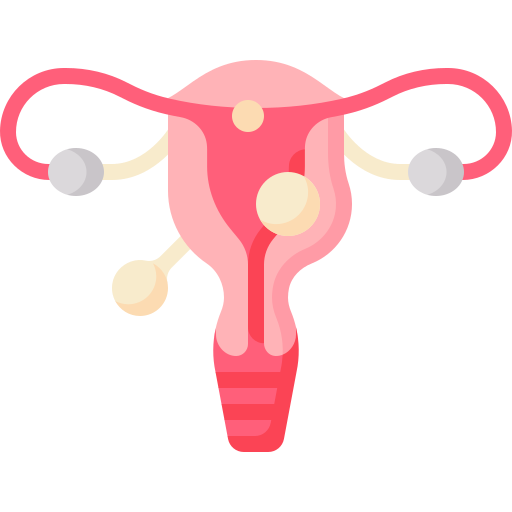
Fallopian tubes are thin tubes that connect the ovaries to the uterus. Each month during ovulation, an egg is released from the ovary and travels through the fallopian tube. Fertilization usually occurs inside the tube when the sperm meets the egg. The fertilized embryo then moves into the uterus for implantation.
If both tubes are blocked, this natural process cannot happen. Early diagnosis and proper guidance from the best gynecologist in Ghaziabad are essential to plan appropriate treatment.
There are several reasons why fallopian tubes may become blocked:
Identifying the underlying cause is important. A thorough evaluation by the best gynecologist in Ghaziabad helps determine the most suitable treatment approach.
Common diagnostic tests include:
An X-ray procedure that checks whether dye passes through the fallopian tubes.
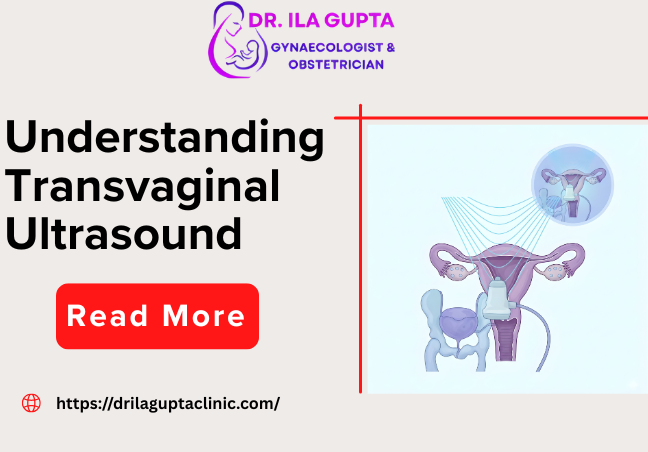
An ultrasound-based test that evaluates tubal patency.
A minimally invasive surgical procedure used to directly visualize and assess the tubes. Accurate diagnosis by the best gynecologist in Ghaziabad ensures clarity before planning treatment.
When both tubes are completely blocked:
However, this does not mean pregnancy is impossible. With advances in reproductive medicine, many women with bilateral tubal blockage successfully conceive with proper treatment.
In certain cases, surgery may help remove scar tissue or open partially blocked tubes. This option depends on:
Surgical success varies, and recurrence of blockage is possible. Consulting the best gynecologist in Ghaziabad helps evaluate whether surgery is suitable.
IVF is often the most recommended and effective treatment when both tubes are blocked. In IVF:
Since IVF bypasses the fallopian tubes entirely, it offers high success rates for women with bilateral tubal blockage.
Guidance from the best gynecologist in Ghaziabad ensures personalized IVF planning and monitoring.
If infection or inflammation caused the blockage, treating the root cause is essential before proceeding with fertility treatment.
Success rates depend on:
Early consultation with the best gynecologist in Ghaziabad improves the chances of successful pregnancy outcomes.
Infertility can cause emotional stress, anxiety, and frustration. Couples may feel overwhelmed after learning that both tubes are blocked. However, it is important to remember that medical science offers effective solutions.
Counseling, proper guidance, and clear communication with the best gynecologist in Ghaziabad can provide reassurance and confidence during this journey.
While not all cases are preventable, you can reduce risk by:
Preventive care and early detection at the best gynecologist in Ghaziabad help protect reproductive health.
You should seek medical advice if:
Timely consultation with the best gynecologist in Ghaziabad allows for early diagnosis and appropriate fertility planning.
Blocked fallopian tubes can be a challenging cause of infertility, especially when both tubes are affected. However, modern medical advancements such as IVF offer highly effective solutions. Early diagnosis, proper evaluation, and personalized treatment planning significantly improve the chances of conception. If you are struggling with infertility due to blocked tubes, consult the best gynecologist in Ghaziabad for expert guidance, compassionate care, and evidence-based treatment options.
Natural pregnancy is unlikely if both tubes are completely blocked.
IVF is the most effective option, but surgery may be considered in select cases.
Through HSG, ultrasound tests, or laparoscopy.
Some cases can be surgically corrected, but recurrence is possible.
Common causes include infections, endometriosis, and previous surgeries.
Stay informed about women's health tips, pregnancy care, and gynecological updates.