



































For More Inquiry
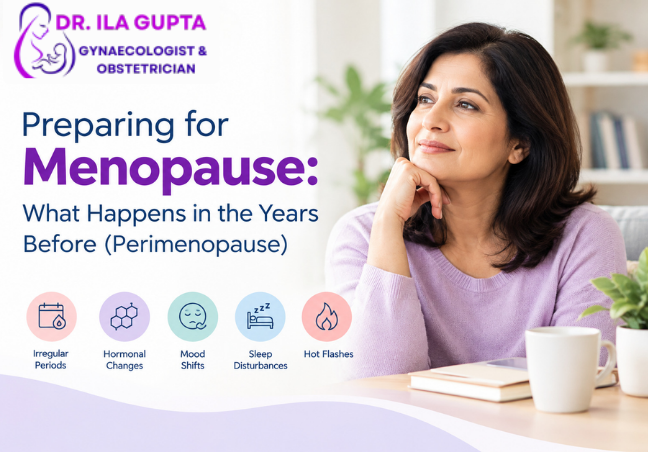
Menopause is a natural stage of a woman’s life, but the years leading up to it can bring several physical, emotional, and hormonal changes. This transition period is known as perimenopause. Understanding what happens during perimenopause can help women recognize symptoms early, make informed health decisions, and prepare for menopause with greater confidence.
If you have noticed changes in your periods, sleep, mood, energy levels, or body temperature, these changes may be associated with perimenopause. Consulting the best Gynecologist in Ghaziabad can help you understand whether your symptoms are related to hormonal changes or another health condition.
Perimenopause refers to the transition period before menopause. During this stage, the ovaries gradually produce fluctuating and eventually lower levels of estrogen. These hormonal changes can affect the menstrual cycle and cause a variety of symptoms.
Perimenopause commonly begins during the 40s, although the timing can vary from woman to woman. Menopause itself is confirmed after a woman has gone 12 consecutive months without a menstrual period.
Perimenopause does not happen suddenly. It can develop gradually, and symptoms may come and go for several years.
One of the first noticeable signs is often a change in the menstrual cycle. Your periods may:
While menstrual changes can occur naturally during perimenopause, unusually heavy or abnormal bleeding should not simply be ignored. Other conditions, including fibroids, polyps, thyroid disorders, or other hormonal problems, may also cause changes in bleeding.
A consultation with the best Gynecologist in Ghaziabad can help identify the underlying cause of unusual menstrual changes.
Hormonal fluctuations can affect many parts of the body. Some women experience only mild symptoms, while others may find that symptoms significantly affect their daily lives.
Hot flashes can cause a sudden feeling of heat, particularly around the face, neck, and upper body. Night sweats may interrupt sleep and leave you feeling tired during the day.
Difficulty falling asleep, waking during the night, or waking earlier than usual can occur during perimenopause. Night sweats and hormonal fluctuations may contribute to disrupted sleep.
Some women experience irritability, mood swings, anxiety, or periods of low mood. Poor sleep can sometimes make these emotional symptoms feel more intense.
You may notice occasional difficulty concentrating, remembering things, or staying mentally focused. These changes can be frustrating, especially when combined with tiredness or poor sleep.
Declining estrogen levels can affect vaginal tissues, causing dryness, irritation, or discomfort during sexual activity. Urinary symptoms and recurrent urinary tract infections may also become more common.
Changes in hormones, sleep, mood, vaginal dryness, and overall well-being can contribute to a reduced interest in sex.
Some women notice weight gain or changes in where their body stores fat, particularly around the abdomen. Maintaining regular physical activity and a balanced diet can support overall health during this transition.
Perimenopause is often identified based on a woman's age, symptoms, and menstrual history. Routine hormone testing is not always necessary, particularly for women in the typical age range with characteristic symptoms.
However, additional tests may sometimes be recommended when symptoms occur at a younger age or when another medical condition needs to be ruled out.
Depending on your symptoms, a gynecologist may recommend:
The goal is not simply to label symptoms as perimenopause but to make sure other possible causes are considered.
Perimenopause is an excellent time to focus on long-term health. Small lifestyle changes can make a meaningful difference.
Include vegetables, fruits, whole grains, lean proteins, and calcium-rich foods. Adequate nutrition can support bone health and overall well-being.
A combination of aerobic activity, strength training, and weight-bearing exercise can support muscle strength, cardiovascular health, and bone health.
Maintain a consistent sleep schedule and create a relaxing bedtime routine. Limiting excessive caffeine late in the day may also help improve sleep quality.
Meditation, yoga, breathing exercises, hobbies, and spending time with supportive people can help manage stress and promote emotional well-being.
Keep a record of your periods, hot flashes, sleep patterns, mood changes, and other symptoms. This information can help your doctor understand your individual pattern and recommend appropriate care.
You do not have to wait until symptoms become severe before seeking medical advice. Consider consulting a gynecologist if menstrual changes, hot flashes, sleep problems, mood changes, vaginal symptoms, or other concerns are affecting your everyday life.
You should also seek medical evaluation for unusually heavy bleeding, bleeding between periods, or significant changes in your usual menstrual pattern.
For women experiencing menopause-related symptoms, the best Gynecologist in Ghaziabad can provide personalized guidance based on age, symptoms, medical history, and individual health needs.
Treatment depends on the symptoms and their severity. Some women may not need medication, while others may benefit from medical treatment.
Lifestyle modifications are often an important starting point. For troublesome symptoms, doctors may discuss non-hormonal medications or hormone therapy where appropriate.
Hormone therapy can help relieve symptoms such as hot flashes, night sweats, and vaginal dryness. However, it is not suitable for everyone. The decision should be based on individual medical history, symptoms, risks, and benefits and should be discussed with a qualified healthcare professional.
Women should also avoid starting hormonal medicines or herbal supplements without professional guidance.
Perimenopause is more than an end to menstrual periods. Hormonal changes during this stage can affect sleep, emotional wellbeing, sexual health, bone health, and overall quality of life.
Understanding the changes happening in your body can reduce anxiety and help you seek appropriate support instead of assuming every symptom is simply part of aging.
Regular health checkups, healthy lifestyle habits, symptom tracking, and timely medical advice can make the transition more manageable.
If you are experiencing symptoms that may indicate perimenopause, consulting the best Gynecologist in Ghaziabad can help you understand your symptoms and explore suitable options for managing this important stage of life.
Perimenopause is a natural transition, not an illness. However, the symptoms can vary significantly from one woman to another. Changes in periods, hot flashes, sleep disturbances, mood changes, brain fog, vaginal dryness, and changes in body composition are among the symptoms women may experience.
Preparing early can help you take control of your health. Focus on nutritious food, regular exercise, quality sleep, stress management, preventive healthcare, and professional guidance when needed.
Most importantly, you do not have to navigate perimenopause alone. With the right information and individualized medical support, this transition can become an opportunity to focus on your long-term health and wellbeing.
Perimenopause is the period of hormonal transition before menopause, when menstrual cycles and other body functions may begin to change.
It commonly begins during the 40s, but the timing varies among women.
A change in your usual menstrual pattern is often one of the earliest signs.
Yes. Hormonal changes and night sweats can contribute to difficulty falling or staying asleep.
Menopause is confirmed after 12 consecutive months without a menstrual period, when the absence is not caused by another factor.
Stay informed about women's health tips, pregnancy care, and gynecological updates.