














































For More Inquiry
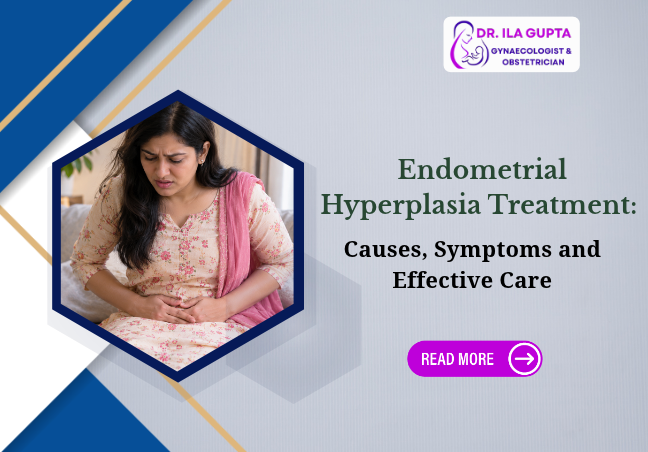
Heavy periods, bleeding between cycles or any bleeding after menopause can be unsettling. Many women assume it is “just hormones” and wait for it to pass. Sometimes, however, abnormal bleeding is a sign of endometrial hyperplasia, a thickening of the uterine lining. It is usually not cancer, but in some cases it can progress to cancer if left untreated. The encouraging news is that it is very treatable, especially when found early.
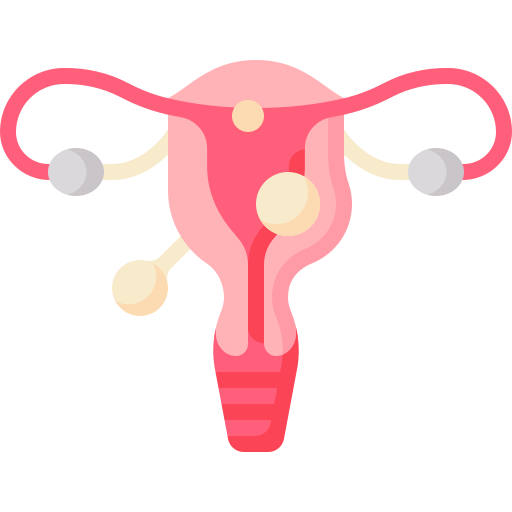
The endometrium is the lining of the uterus that thickens each month and sheds during a period. Endometrial hyperplasia occurs when the lining becomes abnormally thick because of too much oestrogen without enough progesterone to balance it. The extra cells build up and may cause irregular or heavy bleeding.
Doctors classify it by the appearance of the cells:
Any situation that leads to prolonged, unopposed oestrogen can contribute:
Bleeding after menopause should always be checked promptly, even if it is light.
Biopsy is the key test, because ultrasound alone cannot tell the exact type.
Treatment depends on the type of hyperplasia, your age, symptoms and whether you wish to have children.
1. Hormonal Therapy
Progestin therapy is the standard treatment for hyperplasia without atypia and for selected women with atypia who want to preserve fertility. It thins the lining and reverses the overgrowth. Options include:
Repeat biopsies every few months confirm that the lining has returned to normal.
2. Observation
Mild hyperplasia without atypia, especially when a clear cause such as a recent hormone change is found, may sometimes be monitored with regular follow-up.
3. Hysterectomy
Surgical removal of the uterus is often recommended for atypical hyperplasia in women who have completed their families, or when hormonal treatment fails or the condition keeps returning. It is generally considered a definitive treatment, and minimally invasive techniques allow quicker recovery.
4. Fertility-Sparing Care
Women with atypical hyperplasia who still wish to conceive can sometimes be treated with high-dose progestin under close supervision, with fertility planning once the lining normalises.
5. Treating the Underlying Cause
Weight management, controlling PCOS, correcting thyroid or diabetes problems and reviewing hormone medicines all help prevent recurrence.
Follow-up is essential, since hyperplasia can return. Your doctor may advise repeat biopsies, ultrasounds and prompt review of any new bleeding. Keep a record of your cycles and report changes early.
Not always, but you can lower your risk by managing weight and PCOS, using progesterone alongside oestrogen when on hormone replacement if you have a uterus, and seeking early evaluation for abnormal bleeding.
Accurate diagnosis and personalised treatment make all the difference. When searching for the best gynaecologist in Ghaziabad, look for a specialist who:
No, but atypical hyperplasia can progress to cancer if untreated.
Often yes, with hormonal therapy and follow-up, especially when there is no atypia.
Many women can, with proper planning and monitoring.
It can, which is why follow-up and addressing the cause matter.
Endometrial hyperplasia is common, treatable and often reversible when caught early. Do not ignore heavy, irregular or post-menopausal bleeding. Book a consultation with an experienced gynaecologist and take the first step towards answers and peace of mind.
Disclaimer: This article is for general information only and is not a substitute for professional medical advice. Please consult a qualified doctor for guidance specific to your condition.
Stay informed about women's health tips, pregnancy care, and gynecological updates.