












































For More Inquiry
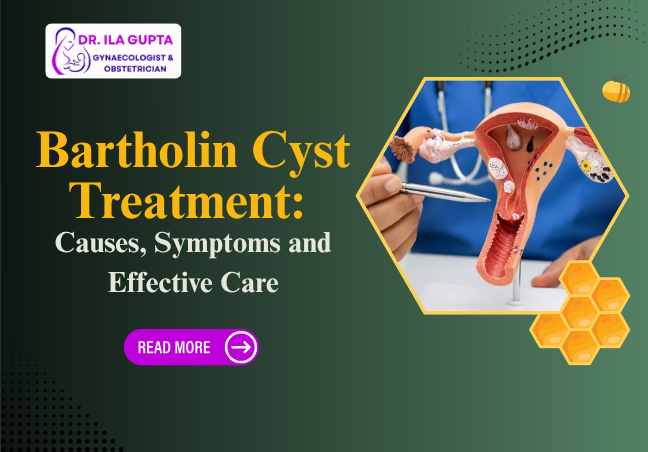
A soft lump near the vaginal opening, discomfort while sitting or walking, or pain during intercourse can be worrying and embarrassing to talk about. Many women wait, hoping the problem will disappear on its own. In reality, a Bartholin cyst is a common and very treatable condition. Understanding it, and knowing when to seek help, can spare you unnecessary pain and complications.
The Bartholin glands are two small, pea-sized glands located on either side of the vaginal opening. They produce fluid that provides lubrication. When the opening of a gland becomes blocked, fluid builds up and forms a swelling called a Bartholin cyst. If the cyst becomes infected, it can turn into a painful Bartholin abscess filled with pus.
Bartholin cysts are most common in women of reproductive age, usually between 20 and 40 years. They are generally not cancerous, though persistent or unusual lumps in older women should always be examined.
The main cause is a blocked gland duct. Contributing factors include:
A small cyst may cause no symptoms and is often found during a routine check-up. Larger or infected cysts can cause:
A rapidly growing, very painful swelling with fever suggests an abscess and needs prompt medical attention.
Diagnosis is usually simple and based on a pelvic examination. Your gynaecologist may also:
Treatment depends on the size of the cyst, your symptoms and whether it is infected. Small, painless cysts often need no treatment at all.
1. Home Care
For small or mildly uncomfortable cysts, simple measures can help:
2. Antibiotics
If infection is suspected, your doctor may prescribe antibiotics. They are usually combined with drainage when an abscess has formed, since antibiotics alone rarely clear a pus-filled abscess.
3. Incision and Drainage
A small cut is made to drain the fluid or pus, usually under local anaesthesia. It brings quick relief, but cysts can refill if the opening closes again.
4. Word Catheter Placement
A tiny balloon-tipped tube is inserted into the cyst after drainage and left in place for about four to six weeks. It allows a new, permanent drainage channel to form and lowers the chance of recurrence.
5. Marsupialisation
This minor surgical procedure creates a permanent opening by stitching the edges of the cyst to the surrounding skin. It is often recommended for cysts that keep coming back.
6. Gland Removal
If cysts recur repeatedly despite other treatments, surgical removal of the Bartholin gland may be considered. This is done under anaesthesia by an experienced surgeon.
Most women recover within a few days to a couple of weeks after drainage. To support healing:
Contact your doctor if you have worsening pain, fever, spreading redness or foul-smelling discharge.
There is no guaranteed way to prevent them, but these habits may lower your risk:
Book a consultation if you notice a lump that does not improve within a few days, increasing pain or swelling, fever, a recurring cyst or any lump after the age of 40. Early treatment prevents abscess formation and shortens recovery.
Comfort, privacy and expertise matter greatly with intimate health problems. When searching for the best gynaecologist in Ghaziabad, look for a specialist who:
Usually not, but an infected cyst can become very painful and needs treatment.
Small cysts often drain by themselves, especially with warm baths.
Recurrence is possible, but procedures such as catheter placement or marsupialisation reduce the chance.
Not necessarily. Many cysts are unrelated to STIs, though infection can sometimes be involved.
A Bartholin cyst can be uncomfortable, but it is common, treatable and nothing to feel embarrassed about. Prompt care prevents complications and gets you back to normal quickly. If you notice a painful lump near the vaginal opening, book a consultation with an experienced gynaecologist and get the right treatment without delay.
Disclaimer: This article is for general information only and is not a substitute for professional medical advice. Please consult a qualified doctor for guidance specific to your condition.
Stay informed about women's health tips, pregnancy care, and gynecological updates.